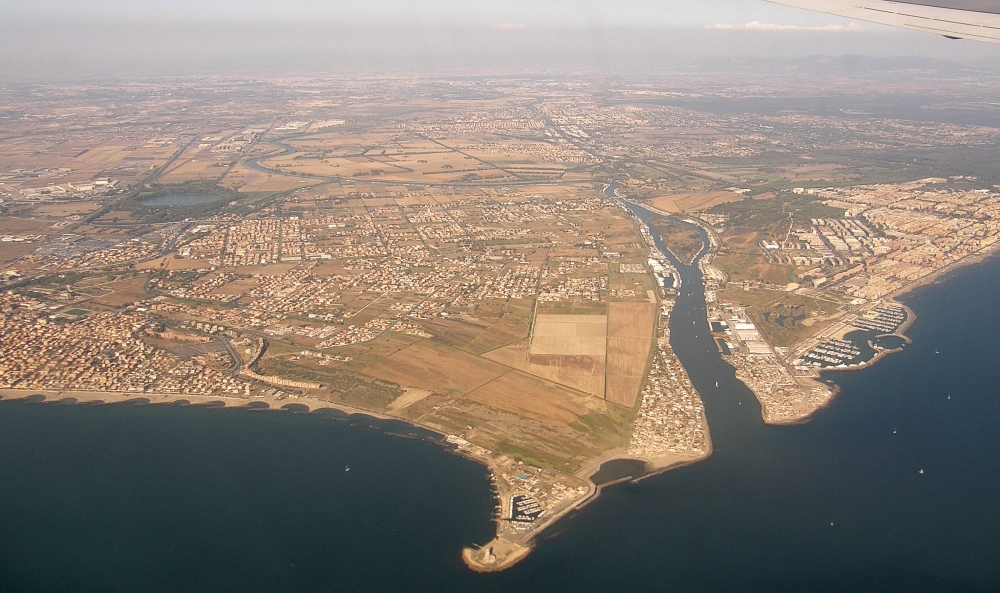
Isola Sacra
The area was formed by debris transported by the Tiber and is bordered by the Tyrrhenian Sea, the Tiber itself (which separates it from Ostia Lido), and the Navigable Canal (which separates it from Fiumicino), dug during the reign of Trajan and connected to Lake Trajan.
The area, covering approximately 13 square kilometers, was named for the presence of the vast Necropolis, and is also known as the Roman Burial Ground of the Sacred Island.
It is a vast necropolis of the citizens of Porto, dating back to the reign of Trajan in the fourth century AD.
The chamber tombs, built of brick and adorned with paintings, stucco, and mosaics, line the west side of the Via Severiana, which connects Porto to Ostia.
Many sarcophagi, statues, and reliefs are now in the Ostiense Museum.
Terracotta reliefs depicting scenes from the deceased's occupations and a rich series of inscriptions provide detailed documentation of the life and structure of the Port of Rome.
Plots of pauper burials, marked by amphorae, extend along the edges of the necropolis, which is a rare and evocative example of a cemetery from the imperial period.
Access to Isola Sacra is from Ostia Lido, along Via di Tor Boacciana, which you cross on the left along Via Ostiense or one of its parallel streets, just over two kilometers from the center of Ostia Lido.
Taking Via Tor Boacciana, you cross the Tiber at the Ponte della Scafa, and from there the road crosses Isola Sacra to reach the Navigabile Canal and then enter Fiumicino.
Significant hydraulic and agricultural reclamation projects, undertaken by private individuals and the Opera Nazionale Combattenti, have improved conditions, which until a few years ago remained unfavorable for settlement.
 The records of Rome. Big numbers, not always enviable, for a big city.
 New Phot-O-Matic section. To spend some time looking at photos (also) of Rome.
 The administrative, urban, toponymic and imaginative subdivisions of Rome.
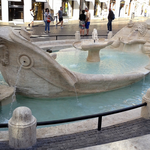 Notice for tourists: in Rome you drink for free. Historical fountains and 'big noses'.
 Free museums return on the first Sunday of the month.